01. Optical Output vs. Electrical Draw
Known facts
Marketplace listings frequently advertise total electrical input power rather than true optical beam output.
An electrical power draw of 40 watts typically translates to only 5 to 10 watts of usable optical beam power at the workpiece.
Analysis
Desktop systems divide across 450 nm blue diode, 1064 nm fiber/YAG, and 10,600 nm CO2 wavelengths.
Optical absorption physics dictates material compatibility across metals, clear acrylics, and organic substrates.
Uncertainties
Specific optical power varies depending on diode module efficiency and driver calibration.
02. Core Architectural Benchmarks
Diode Gantry Systems (approx. 450 nm)
Aluminum gantry mechanisms moving belt-driven carriage heads. Absorbs into wood, paper, and leather, but transmits through clear acrylic and reflects off raw metals.
Galvo Fiber Systems (approx. 1064 nm)
Stationary galvanometer scan heads driving infrared beams through F-theta lenses past 2,000 mm/s. Couples directly into gold, silver, brass, copper, and steel.
CO2 Tube Systems (approx. 10,600 nm)
Stationary gas tube directing far-infrared light via mirrors to a moving carriage. Readily absorbed by clear acrylic, wood, and glass, but reflected by bare metals.
03. How We Evaluated
This guide compares marketplace listings and supplied specifications without physical or hands-on testing. The comparative analysis evaluates published optical properties, electrical power specifications, dimensional measurements, and platform compatibility data from manufacturer documentation and retail catalog listings.
- Laser wavelength alignment and manufacturer-stated material compatibility.
- Mechanical working envelopes, structural thickness, and frame dimensions.
- Optomechanical compatibility, such as standard F-theta lens focal lengths and mounting threads.
- Aggregated customer satisfaction data based on verified buyer review scores and rating counts across active marketplace listings.
04. Hardware Specification Matrix
| Product | Hardware Class | Working Field / Dimensions | Platform / Optical Compatibility | Price (USD) |
|---|---|---|---|---|
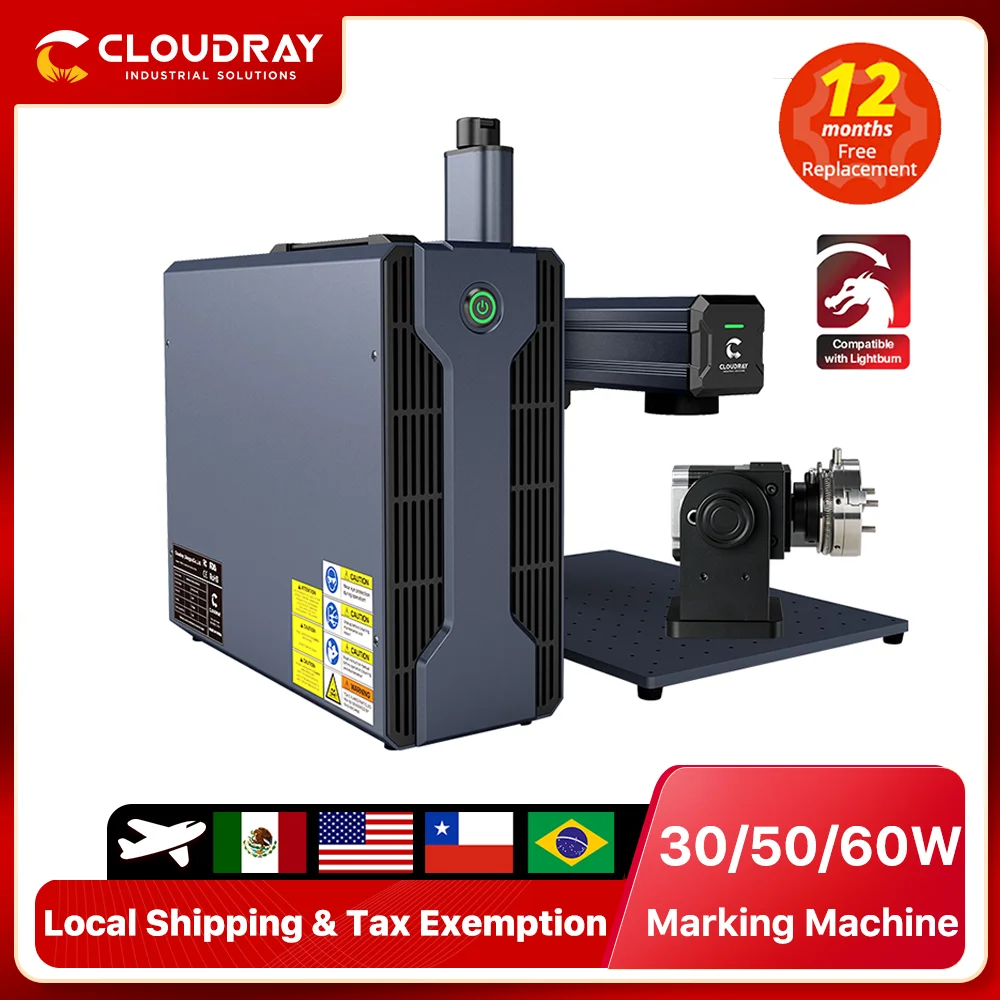
| Cloudray 30/50/60W Fiber Laser Marking Machine 110*110mm For Cutting Jewelry Gold Silver Stainless Steel Copper Aluminum Sheet | 30/50/60W Fiber Marking Machine | 110x110 mm | 1064 nm for gold, silver, stainless steel, copper, aluminum | $1,919.20 |
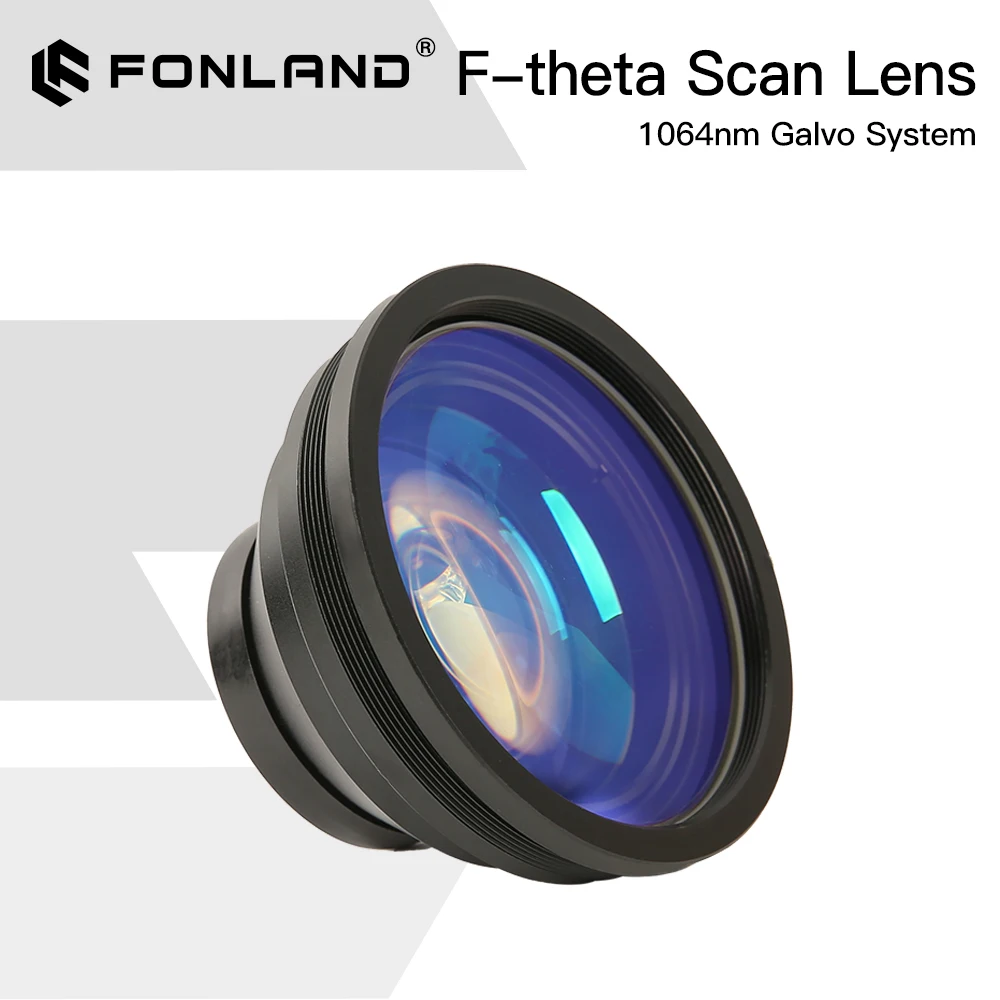
| F-theta Scan Lens Field Lens 1064nm 50x50 - 300x300mm F63-420mm for 1064nm YAG Optical Fiber Laser Marking Machine Parts | F-theta Scan Lens (F63-420mm) | 50x50 mm to 300x300 mm | 1064 nm YAG and optical fiber laser markers | $25.18 |
| F-theta Scan Lens Field Lens 1064nm 50x50 - 300x300 F63-420mm for 1064nm YAG Optical Fiber Laser Marking Machine Parts | F-theta Scan Lens (Alternative) | 50x50 mm to 300x300 mm | 1064 nm YAG and optical fiber laser markers | $52.70 |
| ACMER Laser Cutting Honeycomb Working Table for CO2 or diode Laser Engraver Cutting Machine 300x300/330x330/400x400/440x440x22mm | Honeycomb Table (22 mm thickness) | 300x300 to 440x440 mm | CO2 and diode laser cutting platforms | $26.38 |
| ACMER Laser Engraving Honeycomb Working For CO2 CNC Diode Laser Engraver Cutting Machine Honeycomb Bed 400X400mm 440X440mm | Honeycomb Working Bed | 400x400 mm / 440x440 mm | CO2 CNC and diode laser engraver frames | $26.38 |

05. Operational Configuration Paths
Jewelry Fabrication & Precious Metals
Deploy a 1064 nm galvanometer fiber system with a compact 110x110 mm field to concentrate energy for direct engraving and thin cutting of gold, silver, brass, and copper.
Cloudray 30/50/60W Fiber Laser Marking Machine 110*110mm For Cutting Jewelry Gold Silver Stainless Steel Copper Aluminum SheetFiber Optical Reconfiguration
Swap standard optics with F63-420mm F-theta scan lenses to alternate between fine spot sizes (50x50 mm) for micro-marking and expanded envelopes (up to 300x300 mm).
F-theta Scan Lens Field Lens 1064nm 50x50 - 300x300mm F63-420mm for 1064nm YAG Optical Fiber Laser Marking Machine PartsF-theta Scan Lens Field Lens 1064nm 50x50 - 300x300 F63-420mm for 1064nm YAG Optical Fiber Laser Marking Machine PartsOrganic Material Cutting & Signmaking
Integrate an elevated 22 mm honeycomb bed into diode or CO2 cutting frames to clear smoke, vent combustion fumes, and reduce underside scorch marks.
ACMER Laser Cutting Honeycomb Working Table for CO2 or diode Laser Engraver Cutting Machine 300x300/330x330/400x400/440x440x22mmACMER Laser Engraving Honeycomb Working For CO2 CNC Diode Laser Engraver Cutting Machine Honeycomb Bed 400X400mm 440X440mm06. Physical Limitations and Safety Constraints
- The 1064 nm fiber wavelength will not process bare wood, paper, or clear acrylic due to optical transmission and lack of beam absorption.
- A 450 nm blue diode laser beam reflects off raw bare metals like copper and silver, preventing clean cutting or permanent marking.
- Increasing the F-theta marking field up to 300x300 mm increases the focal spot diameter and disperses optical energy density across a wider area.
- Honeycomb support tables improve underside ventilation but offer no smoke filtration, requiring dedicated external exhaust and optical radiation enclosures.
07. Configuration Verdict
Match the machine wavelength directly to your primary substrate class before investing in hardware or optical expansions.
High electrical wattage ratings do not overcome fundamental optical physics: fiber units (1064 nm) remain obligatory for raw reflective metals, while CO2 and diode systems handle organics and acrylics supported by elevated honeycomb venting beds.