Optical Output vs. Electrical Input
Marketplace titles often advertise 40W, 80W, or 130W wall-plug electrical draw. Cutting capacity is determined strictly by the 450nm optical diode output rating (typically 5W, 10W, 20W, or 40W optical).
A systematic specification reference for makers evaluating desktop laser engravers and cutters. Compare published diode optical power, frame rigidity, controller firmware, and required safety provisions across marketplace listings.

Evaluating unbranded and brand-direct desktop laser listings requires isolating critical engineering data from promotional marketing numbers.
Marketplace titles often advertise 40W, 80W, or 130W wall-plug electrical draw. Cutting capacity is determined strictly by the 450nm optical diode output rating (typically 5W, 10W, 20W, or 40W optical).
Confirm native 32-bit GRBL controller firmware support. Proprietary locked firmware limits toolpath generation and prevents standard USB control via open maker software platforms.
Open-frame aluminum V-slot extrusions with POM rollers offer accessible maintenance, while dual linear steel rails reduce high-speed engraving deflection and corner ringing.
Class 4 open diode beams require certified OD4+ wavelength shielding, active exhaust extraction for particulate management, and integrated flame sensors with auto-shutdown.
Optimized for ultra-fine focal spot engraving on slate, leather, painted acrylic, and occasional light basswood cutting under 4mm. Lower mass enables agile raster acceleration.
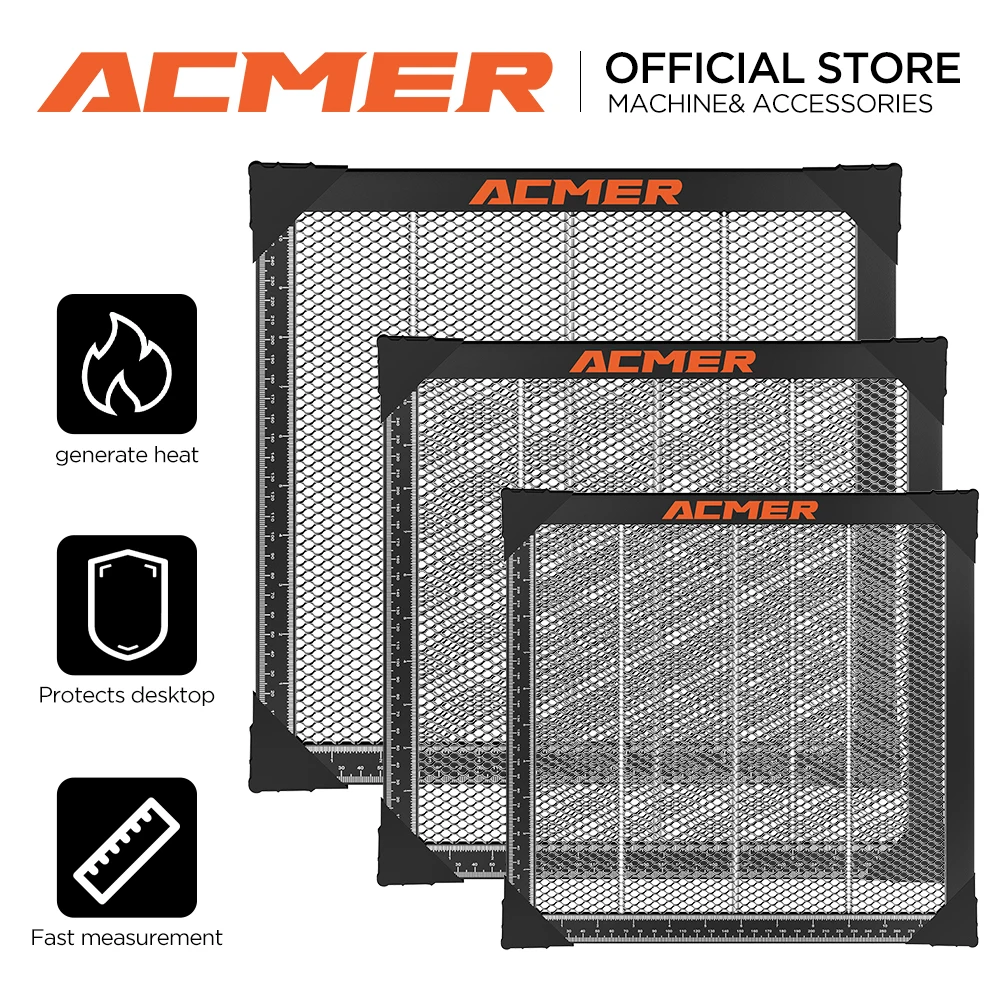
Combined diode beams designed for single-pass cutting of 6mm–15mm solid woods and opaque acrylics. Demands auxiliary air assist systems and heavy-duty spoilboard honeycomb beds.
This site contains affiliate links. We may earn a commission at no extra cost to you.